.

Currently Obsessed

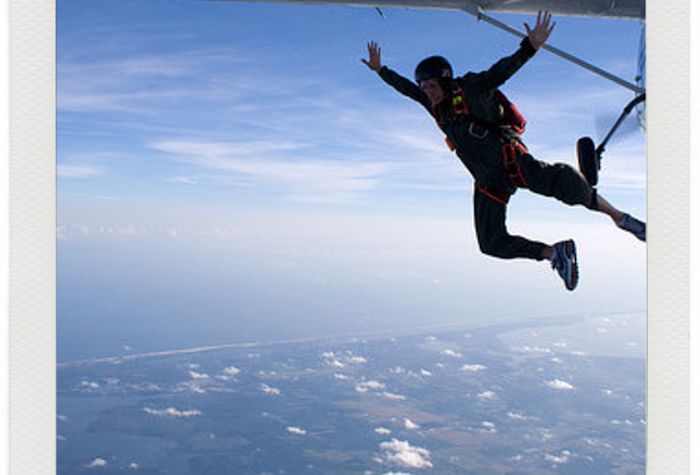
A photo of a person skydiving out of a plane, high above the ground.

Unexpected Startup Lesson #1: Quitting the day job

May 09, 2010 · 3 minutes

Quitting my job to co-found Snapvine proved a near-zero-risk move: 4–5 months later I was ROI-positive on networking, learning, and satisfaction, with a path to higher pay if needed. The startup cost about $5k vs an $85k MBA, delivering far more value and momentum than the MBA.


A black and white photo of the shadow of a pair of scissors.

If you want to ship, cut, cut, cut!

April 17, 2010 · 2 minutes

Ask for better updates with an itemized list of completed work and access to their ticketing system (Lighthouse or similar) to track progress. Get a call to clear the air, stay professional, and then cut scope: drop nonessential features, fix only essential bugs, and ship a minimally viable release.

A steaming cup of coffee sits on a red saucer on a table, with a blurred person in the background using a laptop or tablet.

3 Things I’ve Learned To Recruit Great Hackers

April 09, 2010 · 1 minute

Recruit great hackers by: using contractors not tied to agencies so you can hire full‑time later; meeting hires over lots of coffees—even if they aren’t looking—because word travels; and focusing deeply on one school with informal talks, brown-bags, affiliate dinners, open houses, and post‑fair meetups to build a reputation.

Sell Ice Cream, Not Cream and Ice

March 12, 2010 · 2 minutes

At LeadsCon, I saw that startups can thrive with business—not just tech or product: acquire traffic, filter intent via simple forms, then sell leads to buyers who want ready-to-buy options. Education lead gen may be a $1B market; contractors and schools pay for convenience, not DIY forms.

Avoid This Startup Mistake: Losing Customer Focus

February 20, 2010 · 2 minutes

In 2006, Snapvine’s first viral widget and teen phone app exploded to 1 million signups in 7 weeks, forcing us to occasionally pause signups 25% of time. To refocus on users, we posted hundreds of daily user photo thumbnails on the wall and started a weekly Craigslist focus group.

An illustration depicts numerous figures engaging with technology, such as laptops and computers, in a dynamic and interconnected scene.

Crucial first hire: the "do-it-all office admin"

December 16, 2009 · 5 minutes

After our June 2006 Series A, we hired a Do-It-All Office Admin (DIAOA) to tackle distractions—space, supplies, benefits, recruiting, and events—so others could focus on building the business. In 2.5 years, two hires with little experience proved incredibly effective; they owned ops and boosted morale.

A mural or painting depicts three monkeys, reminiscent of the "see no evil, hear no evil, speak no evil" proverb, with a question mark painted above them.. Text: ?

The positive follow-up to complaints, failures and ideas.

November 09, 2009 · 1 minute

Complaints gain value when paired with solution ideas; failure becomes innovation when it includes honest learning; ideas gain traction when backed by follow-through, potentially becoming worth millions. So next time someone presents any of these alone, strive to spark a positive follow-up.

FiReGlobal West Notes

October 20, 2009 · 3 minutes

Last week at FiReGlobal West I spoke on a CTO Challenge Panel about tech boosting civic engagement. Key takeaways: education shifts to coaching with individualized pacing; Serious Materials cites 52% of global CO2 from buildings; InTouch Health remote hospital robotics; carbon pricing to drive action; Dell: Standardize, Simplify, Automate.

An illustration of four people working on laptops, seemingly collaborating across a table.

Competition. Am I screwed?

September 29, 2009 · 2 minutes

Competition isn’t fatal; it validates your direction and even lets you copy what works fast. Learn from their customers: email ten random users and ask for their ten favorite features and top five missing ones. Don’t panic—one competitor isn’t enough; keep building even if Yahoo buys similar firms.